Air Purifier Guides
Best Air Purifier for Mould Prevention (2026)
By Rachel · Updated 2026-04-14
Last updated: April 2026
Mould is one of the most persistent indoor air quality problems a homeowner can face. It grows silently behind walls, under sinks, and in corners where moisture lingers — and by the time you can see it, it has already released thousands of spores into the air you breathe. For anyone who has dealt with a mould outbreak, the question is not just how to clean it up, but how to stop it coming back. The answer increasingly lies in the right air purifier.
Featured snippet: The best air purifier for mould prevention combines a true HEPA filter to capture spores with UV-C light technology to deactivate them at the source. Top models like the Dyson Purifier Cool Formaldehyde, Rabbit Air MinusA2, and IQAir HealthPro Plus can reduce airborne mould spore concentrations by up to 99.97%, making them the most effective tools for keeping mould from establishing itself in your home.
Table of Contents
- What Is Mould and Why Is It a Problem?
- How Do Air Purifiers Help Prevent Mould?
- Key Features to Look for in a Mould-Prevention Air Purifier
- Best Air Purifier for Mould Prevention — Top Picks for 2026
- Comparison Table: Best Air Purifiers for Mould Prevention
- How to Use an Air Purifier to Prevent Mould in Your Home
- Signs Your Home Has a Mould Problem
- FAQ — Mould and Air Purifiers
- Sources & Methodology
What Is Mould and Why Is It a Problem?
Mould is a type of fungus that reproduces by releasing microscopic spores into the air. These spores are naturally present in outdoor air and drift indoors through open windows, doors, and ventilation systems. When they land on a damp surface — a wall, a ceiling tile, a bathroom grout line — they can germinate and grow, spreading within 24 to 48 hours under the right conditions.
The two things mould needs above all else are moisture and organic material to feed on. Indoors, mould commonly grows in:
- Bathrooms with poor ventilation
- Kitchens around sinks and cooktops
- Basements and crawl spaces with high humidity
- Behind drywall after water damage
- On window sills where condensation collects
- Inside HVAC systems and ductwork
According to the Australian Government's Department of Health, mould can cause a range of health problems, particularly for people with asthma, allergies, or compromised immune systems. Common symptoms of mould exposure include sneezing, runny nose, red eyes, skin rashes, and in more severe cases, respiratory infections. Children, elderly people, and pets are especially vulnerable. Mould exposure can also disrupt your sleep, as poor indoor air quality directly affects sleep quality and respiratory comfort through the night. Mould is not just an aesthetic issue — it is a health hazard that requires a multi-pronged response.
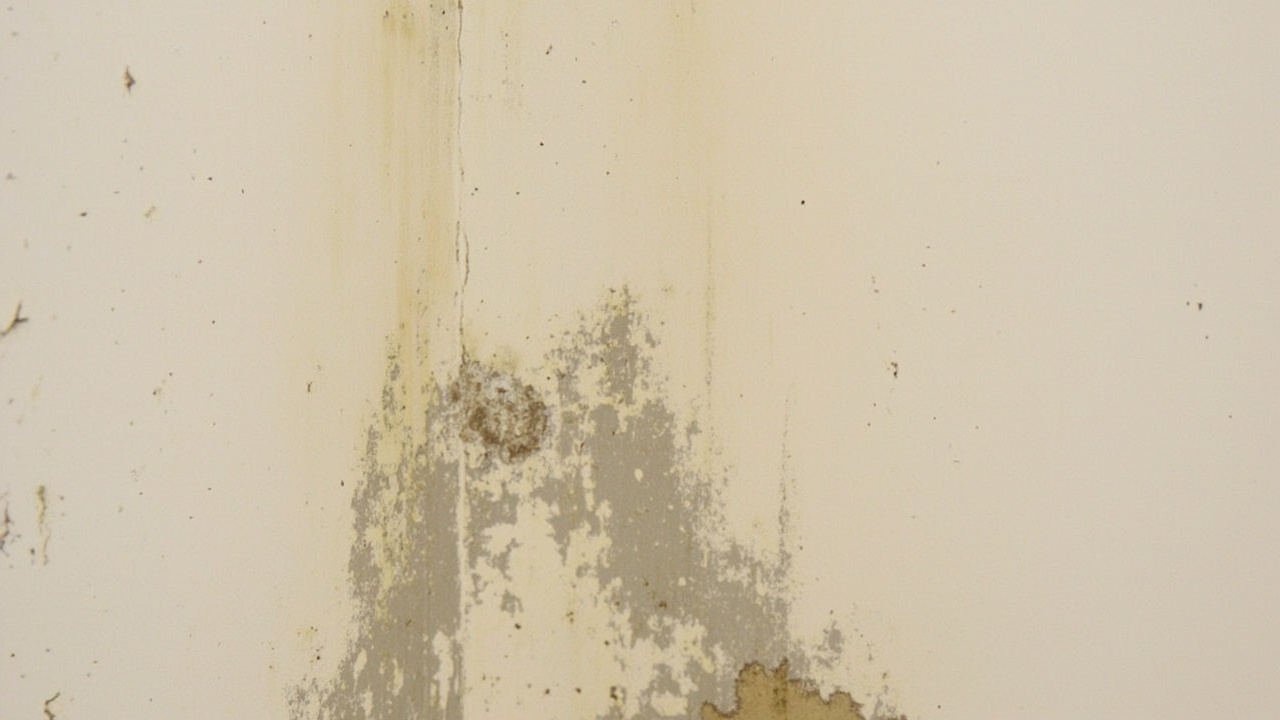
Some types of mould produce mycotoxins, which are toxic substances that can cause more serious health effects with prolonged exposure. The most concerning from a health perspective are Stachybotrys chartarum (commonly known as black mould), Aspergillus, and Penicillium. However, the Australian Institute of Architects notes that visible mould of any colour should be treated with the same level of concern — colour is not a reliable indicator of toxicity.
The Mould Spore Problem in Australian Homes
Australian homes present particular challenges for mould prevention. The climate in many parts of the country — particularly Brisbane, Sydney, Melbourne, and the northern coast — experiences prolonged periods of high humidity during summer and in some seasons, combined with newer building designs that prioritise sealing for energy efficiency. While this makes homes more temperature-controlled, it also traps moisture indoors if ventilation is inadequate.
According to research from the University of Queensland's School of Architecture, indoor humidity levels in tightly sealed Australian homes can exceed outdoor levels by 20-40% during humid periods, creating ideal conditions for dust mites and mould. This makes mechanical ventilation and air purification not just nice-to-have additions, but essential tools for maintaining healthy indoor air in modern Australian homes.
How Do Air Purifiers Help Prevent Mould?
An air purifier works by pulling air through a series of filters that trap and neutralise airborne particles. For mould prevention, two stages are critical:
HEPA Filtration: Capturing Spores at the Source
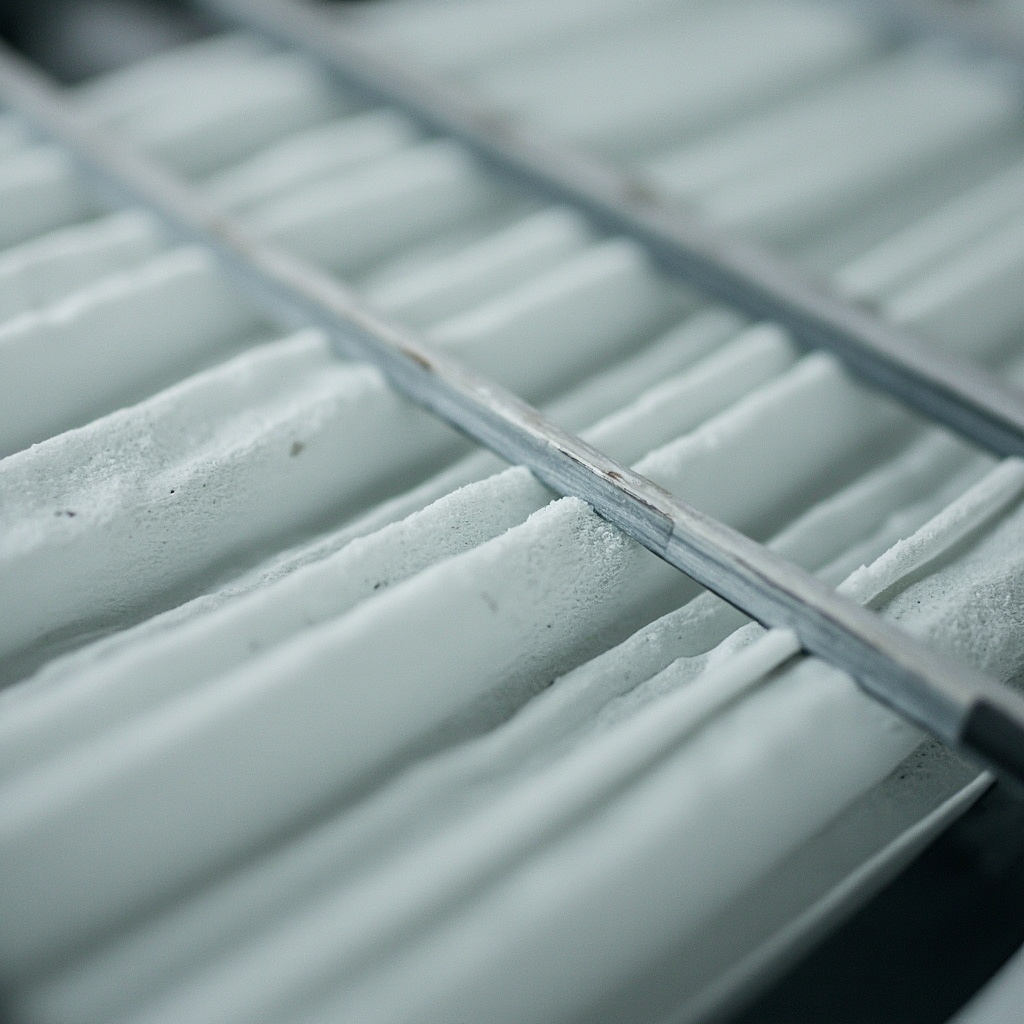
A true HEPA (High-Efficiency Particulate Air) filter captures at least 99.97% of particles as small as 0.3 microns in diameter. Mould spores typically range from 1 to 30 microns, meaning even the smallest spores are well within the capture range of a HEPA filter. When an air purifier runs continuously in a room with a mould problem, it continuously pulls spores from the air, reducing the number available to settle on surfaces and grow.
The US Department of Energy's research on HEPA filter efficiency confirms that HEPA-rated media is among the most effective filtration technology available for residential use. A quality HEPA air purifier can process the air in a room four to six times per hour on its highest setting, dramatically reducing airborne spore counts over a 24-hour period.
It is worth noting that not all HEPA filters are equal. The European standard EN 1822 classifies HEPA filters from H10 to H14, with H13 and H14 considered "absolute" HEPA grades used in medical and cleanroom settings. For home use, an H13 filter represents an excellent balance of performance and airflow resistance. If you are unsure whether your current unit uses a true HEPA filter or a HEPA-type filter, read our true HEPA vs HEPA-type guide to understand the difference.
UV-C Light: Deactivating Spores That Pass Through
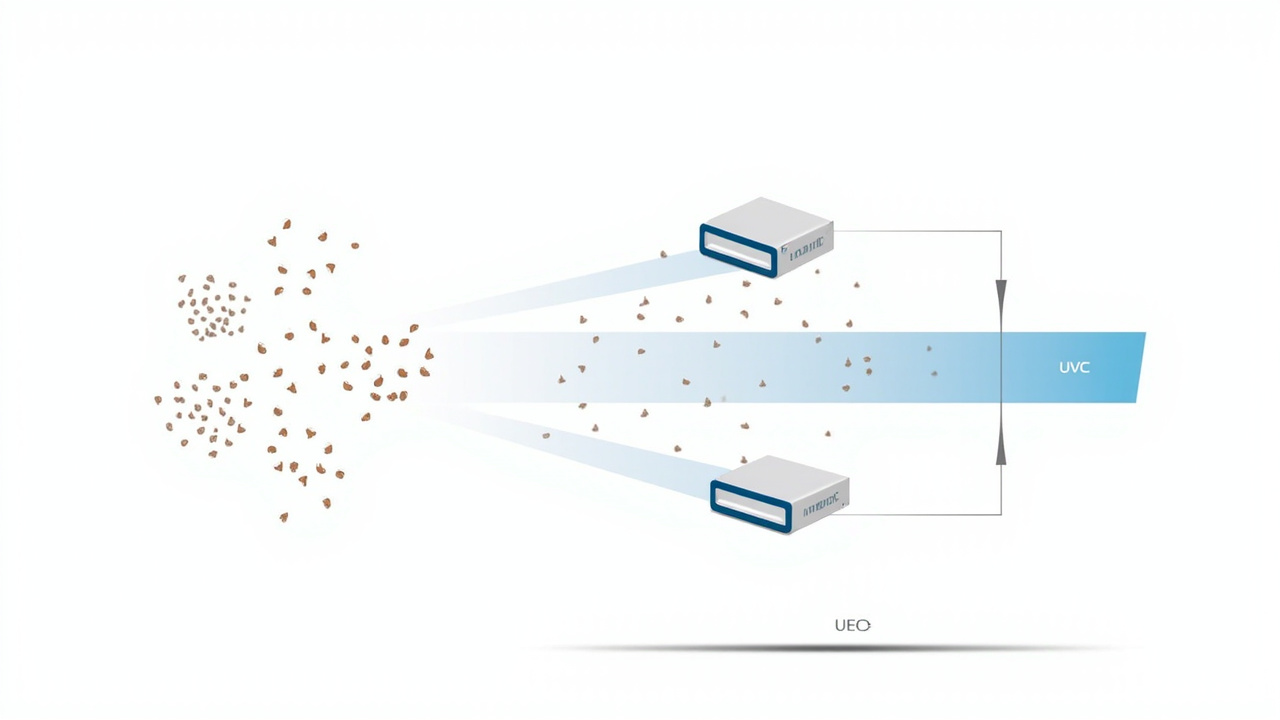
Some air purifiers include a UV-C light chamber. UV-C radiation at 254 nanometres disrupts the DNA of microorganisms including mould spores, bacteria, and viruses, rendering them unable to reproduce. When air passes through a UV-C chamber before or after the HEPA filter, the light deactivates spores that the filter did not capture outright.
This two-stage approach — capture and deactivate — is the most effective strategy for using an air purifier as part of a mould prevention program. However, it is important to be clear: an air purifier does not replace the need to fix the underlying moisture problem. If you have a leaking pipe, rising damp, or inadequate ventilation, no air purifier will stop mould from eventually growing.
Activated Carbon: Removing Mould Odours
While not directly related to spore capture, an activated carbon (charcoal) filter plays an important supporting role in mould prevention. Mould colonies produce microbial volatile organic compounds (MVOCs) — the chemicals responsible for the musty smell associated with mould. These compounds are too small for HEPA filters to capture, but activated carbon adsorbs them effectively. Removing the odour is not just about comfort — it is a useful indicator that the mould problem is being addressed.
Key Features to Look for in a Mould-Prevention Air Purifier
Not every air purifier is equally effective at mould prevention. Here are the features that matter most when you are shopping for a unit to protect your home.
True HEPA Filter
Always choose a unit that explicitly states it uses a true HEPA filter (not "HEPA-type" or "HEPA-style"). The difference is significant: true HEPA filters are independently tested and certified to remove 99.97% of particles at 0.3 microns. Filtered media without independent testing may capture far fewer spores than claimed.
Some budget brands use the term loosely, and consumers have been misled by "HEPA-like" marketing that suggests equivalent performance without the independent certification. Look for the CADR seal from AHAM (Association of Home Appliance Manufacturers) or a reference to EN 1822 classification as additional quality assurance.
UV-C Light Technology
A UV-C lamp adds a layer of protection by neutralising spores that pass through the unit. Look for units where the UV-C lamp is enclosed inside the air purifier — this means the UV-C light does not escape and poses no exposure risk to people or pets. The lamp should be rated for continuous operation and positioned to irradiate the maximum possible airflow.
UV-C effectiveness depends on both the lamp's intensity (measured in microwatts per square centimetre at the target distance) and the air's residence time in the UV chamber. A well-designed UV-C chamber allows sufficient exposure time; units where air rushes through too quickly may not deliver meaningful germicidal effects.
Activated Carbon Filter
While HEPA captures spores and UV-C deactivates microorganisms, an activated carbon filter absorbs volatile organic compounds (VOCs) including the musty odours that mould produces. If your home has had a mould problem, you may notice a persistent earthy smell even after cleaning. An activated carbon layer helps eliminate these odours at the source.
Activated carbon filters also help remove other airborne pollutants that can irritate respiratory systems already sensitised by mould exposure, such as cleaning chemical fumes, paint fumes, and traffic-related VOCs.
Appropriate Coverage Area (CADR Rating)
The Clean Air Delivery Rate (CADR) tells you how much air the purifier can clean per minute. Understand CADR ratings and what they mean for your room size. Match the CADR to the room size:
| Room Size | Minimum CADR |
|---|---|
| Up to 20 m² (small bedroom) | 150+ |
| Up to 40 m² (medium bedroom / home office) | 250+ |
| Up to 60 m² (large living room) | 350+ |
| 60 m²+ or open plan | 400+ or multiple units |
For mould prevention, a higher CADR is always better because it means more air cycles through the filter per hour, reducing spore concentration faster. Think of it this way: a CADR of 200 means the unit delivers 200 cubic feet of clean air per minute. In a 20 m² room with 2.4 m ceilings, that is roughly one full air change every three minutes at full speed.
Filter Replacement Indicators
Mould spores and organic material can accumulate on HEPA filters over time, potentially creating a new growth medium if the filter becomes saturated. Choose a unit with a filter replacement indicator light so you know exactly when to change filters. In humid climates or homes with ongoing mould issues, you may need to replace filters more frequently than the manufacturer's standard recommendation.
When replacing filters, never attempt to clean a HEPA filter with water or compressed air — this can damage the fibres and destroy the electrostatic charge that makes it effective. Always replace with a new genuine filter from the manufacturer.
Energy Consumption
Air purifiers intended for mould prevention should run 24 hours a day in problem areas. Look for an Energy Star-certified model to keep running costs manageable. Most quality air purifiers consume between 30 and 60 watts on medium settings — roughly the same as a standard light bulb.
At Australian electricity prices (approximately 28-35 cents per kWh), running a 45-watt air purifier continuously costs roughly $9-12 per month, which is a reasonable investment for protecting your family's health and your home's structure.
Noise Level
If you are running the unit in a bedroom, check the decibel rating at its various fan speeds. Many modern air purifiers offer a sleep mode that reduces fan speed and noise to under 30 decibels while maintaining filtration. For living areas, a maximum noise level of 50-55 decibels is acceptable during the day.
A good rule of thumb: 30 dB is like a whisper in a library, 45 dB is a normal conversation, and 55 dB is comparable to normal background office noise.
Best Air Purifier for Mould Prevention — Top Picks for 2026
The following air purifiers represent the best options available in 2026 for homeowners specifically focused on mould prevention. Each has been evaluated on HEPA quality, UV-C capability, coverage area, filter lifespan, and value for money.
1. Dyson Purifier Cool Formaldehyde — Best Overall for Mould Prevention
Why it stands out: The Dyson Purifier Cool Formaldehyde is our top pick for mould prevention because it combines a sealed true HEPA filter with a dedicated UV-C chamber and an activated carbon filter in a single unit. Its H13-grade HEPA filter captures 99.97% of particles down to 0.3 microns, while the UV-C light deactivates mould spores, bacteria, and viruses that pass through the chamber. The formaldehyde sensor continuously monitors air quality, and the machine automatically adjusts fan speed when it detects elevated spore or particle levels. If you are comparing Dyson to Levoit, see our full Dyson vs Levoit air purifier comparison to decide which brand is right for your home.
The Dyson Purifier Cool Formaldehyde covers rooms up to 50 m² and is particularly well-suited to Australian homes because its Air Multiplier technology ensures even distribution of purified air throughout the room, including into corners where mould is most likely to establish itself. Its fully sealed filtration system prevents captured spores from leaking back into the room — a common problem with poorly sealed budget units.
Its bladeless design is also easier to clean than traditional air purifiers with grille-style intakes, reducing the chance of accumulated dust and spore buildup on the exterior of the unit itself.
Room coverage: Up to 50 m² CADR: 330 m³/h Filter type: H13 HEPA + activated carbon + UV-C Filter lifespan: 12 months (HEPA + carbon), UV-C lamp 9-12 months Noise level: 33–62 decibels Energy consumption: 45 watts max
Amazon [AU]: Dyson Purifier Cool Formaldehyde — check current price and availability
2. Rabbit Air MinusA2 Ultra Quiet — Best for Bedrooms and Small Spaces
Why it stands out: The Rabbit Air MinusA2 earns its reputation as one of the quietest and most effective HEPA air purifiers on the market. It uses a six-stage filtration system including a pre-filter, medium filter, true HEPA filter, activated carbon filter, and two optional customisable filter variants (including a germ defence variant with enhanced UV-C treatment).
The MinusA2's six-stage system includes a dedicated UV-C germicidal lamp that specifically targets mould spores, bacteria, and viruses. Its near-silent brushless DC motor makes it ideal for bedrooms, nurseries, and home offices where low noise is a priority. The unit is also wall-mountable, which is useful in bathrooms and laundry rooms where floor space is limited.
One practical advantage of the MinusA2 for mould-prone households is its bespoke filter program. You can configure the unit with a GermDefense filter as the specialty layer, which is specifically rated for biological contaminants including mould spores, bacteria, and viruses. This is a more targeted approach than buying a standard unit and hoping its generic activated carbon layer handles biological contamination effectively.
Room coverage: Up to 47 m² CADR: 200+ m³/h Filter type: True HEPA + activated carbon + UV-C (germ defence variant) Filter lifespan: 12-18 months depending on usage Noise level: 20.8–45.6 decibels Energy consumption: 33 watts
Amazon [US]: Rabbit Air MinusA2 — check current price and availability
3. IQAir HealthPro Plus — Best for Large Spaces and Severe Mould Problems
Why it stands out: If you are dealing with a significant mould problem in a larger home or live in a particularly humid climate, the IQAir HealthPro Plus is the most powerful residential air purifier available. It uses a hospital-grade H12/13 HEPA filter combined with a large-capacity activated carbon chamber — the same technology used in Swiss hospitals and cleanrooms.
The HealthPro Plus's HyperHEPA filtration is tested and certified to capture particles down to 0.003 microns, significantly smaller than the 0.3-micron standard for "true HEPA." This means it captures the very smallest mould spores and fragments that other units might miss. Its multi-stage filter housing is fully sealed, eliminating any risk of bypass leakage.
The downside is size and price: the HealthPro Plus is larger and more expensive than most residential units, and its fans are audible at higher settings. But for raw filtration performance in severe mould situations, it is unmatched in its class. If someone in your household has severe asthma or a compromised immune system, this is the unit worth the investment.
Room coverage: Up to 112 m² CADR: 400+ m³/h Filter type: HyperHEPA H12/H13 + activated carbon + optional UV-C pre-filter Filter lifespan: 9-12 months (HEPA), 18-24 months (carbon) Noise level: 32–69 decibels Energy consumption: 55-120 watts
Amazon [US]: IQAir HealthPro Plus — check current price and availability
4. Winix ZERO+ Pro — Best Value for Money
Why it stands out: The Winix ZERO+ Pro delivers true HEPA filtration with a built-in UV-C lamp at a price point significantly below the Dyson or IQAir models. Its four-stage filtration system includes a pre-filter, true HEPA filter, activated carbon filter, and UV-C lamp, making it a solid mid-range choice for homeowners who want effective mould prevention without a premium price tag.
The Winix ZERO+ Pro uses PlasmaWave technology as an alternative to UV-C in some models, which generates hydroxyl radicals to neutralise bacteria, viruses, and mould spores at a molecular level. When combined with the UV-C variant, this creates a dual-action deactivation system. The auto mode uses a laser particle sensor to adjust fan speed based on real-time air quality.
For Australian households specifically, the Winix ZERO+ Pro is one of the most readily available mid-range options through local retailers, making filter replacement straightforward and affordable. Replacement filters are typically stocked by major Australian electronics retailers and are significantly cheaper than proprietary filters for premium brands.
Room coverage: Up to 50 m² CADR: 250+ m³/h Filter type: True HEPA + activated carbon + UV-C Filter lifespan: 12 months (HEPA + carbon) Noise level: 27–56 decibels Energy consumption: 35 watts
Amazon [US]: Winix ZERO+ Pro — check current price and availability
5. Medify MA-112 V2.0 — Best for Whole-Level Coverage
Why it stands out: The Medify MA-112 V2.0 is a powerful unit designed for whole-level protection — it can purify air in a large open-plan living area or multiple connected rooms simultaneously. With a CADR of 560 m³/h and H13 true HEPA filtration, it moves a large volume of air quickly, making it ideal for high-ceiling spaces, basements, and open-plan layouts common in newer Australian homes.
Its UV-C light module is positioned to irradiate airflow before it enters the HEPA filter, ensuring spores are deactivated before they embed in the filter media. The filter replacement indicator, three fan speed settings, and timer function make it practical for daily use in larger homes with persistent humidity issues.
The Medify MA-112 V2.0 is also one of the few air purifiers on the Australian market in this price bracket that combines both H13 HEPA and UV-C — most competitors at this CADR level sacrifice the UV-C component to keep costs down.
Room coverage: Up to 93 m² CADR: 560 m³/h Filter type: H13 True HEPA + activated carbon + UV-C Filter lifespan: 12 months Noise level: 46–66 decibels Energy consumption: 95 watts
Amazon [US]: Medify MA-112 V2.0 — check current price and availability
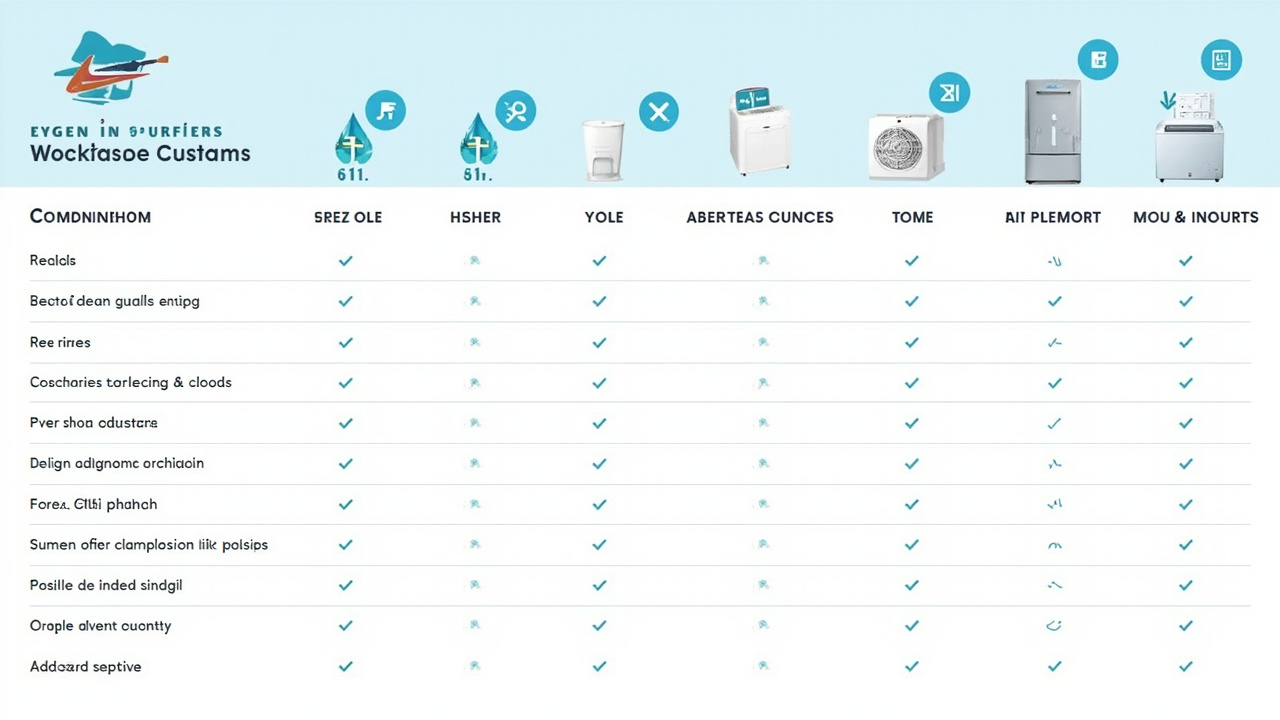
Comparison Table: Best Air Purifiers for Mould Prevention
| Model | Coverage (m²) | CADR (m³/h) | HEPA Grade | UV-C | Activated Carbon | Noise (dB) | Max Watts | Approx. Price (USD) |
|---|---|---|---|---|---|---|---|---|
| Dyson Purifier Cool Formaldehyde | Up to 50 | 330 | H13 | Yes | Yes | 33–62 | 45 | $700–900 |
| Rabbit Air MinusA2 | Up to 47 | 200+ | True HEPA | Yes (germ) | Yes | 21–46 | 33 | $300–500 |
| IQAir HealthPro Plus | Up to 112 | 400+ | HyperHEPA | Optional | Yes | 32–69 | 120 | $1,000–1,500 |
| Winix ZERO+ Pro | Up to 50 | 250+ | True HEPA | Yes | Yes | 27–56 | 35 | $150–250 |
| Medify MA-112 V2.0 | Up to 93 | 560 | H13 | Yes | Yes | 46–66 | 95 | $300–450 |
How to Use an Air Purifier to Prevent Mould in Your Home
Buying the right air purifier is only part of the solution. How you use it matters just as much. Here is how to integrate an air purifier into a mould-prevention strategy that actually works.
Placement Matters
Place your air purifier in the room where you have had — or are most likely to have — mould problems. Bathrooms, laundries, and basements are the highest priority. Position the unit at least 30 cm from walls and furniture to allow unimpeded airflow through the intake and output vents. Do not place it in a corner or behind furniture, as this significantly reduces its effective coverage. For a full guide to where and how to position your unit, read our air purifier placement guide.
For whole-home protection, you have two options: run multiple smaller units in key rooms, or install a whole-home air purifier in your HVAC system. Whole-home units connect directly to your ductwork and treat all the air circulating through your home — they are more expensive upfront but more convenient for larger houses. Brands like Aprilaire and Reme Halo make respected whole-home UV-C air purifiers that integrate with most Australian residential HVAC systems.
Run It Continuously
Mould spores are always present in the air to some degree. To meaningfully reduce their concentration, an air purifier needs to run continuously. In problem rooms (bathrooms, basements), run the unit 24 hours a day. In other rooms, running it for 12+ hours per day will still make a measurable difference.
Many units have an auto mode that adjusts fan speed based on air quality sensors. This is an excellent setting for mould prevention because the unit will automatically work harder when spore counts are elevated — such as after a shower, during humid weather, or after cleaning activities that disturb dust and spores.
Control Humidity Alongside Purification
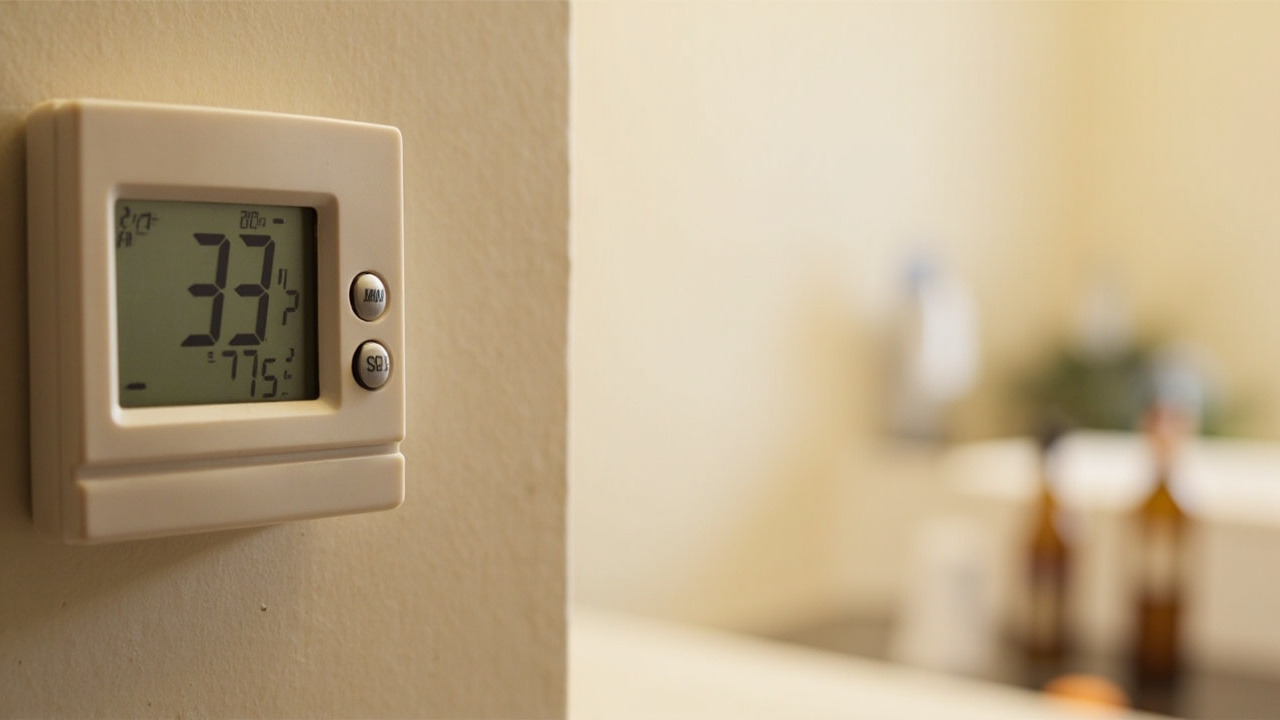
Air purification alone cannot solve a mould problem if your home's humidity is not controlled. Mould growth occurs when relative humidity stays above 60% for extended periods. Use a hygrometer (humidity meter) to monitor humidity levels in problem rooms. The ideal indoor relative humidity for mould prevention is between 30% and 50%.
In humid climates or during summer, a dehumidifier works hand-in-hand with your air purifier. Some units, like certain models in the Dreo and Aprilaire ranges, offer combination air purification and dehumidification in a single device. Running both a dehumidifier set to 45% relative humidity and an air purifier with HEPA and UV-C in a damp room like a basement or bathroom is the most effective two-pronged approach to breaking the moisture-mould cycle.
Replace Filters on Schedule
A clogged or saturated filter loses effectiveness and can itself become a site of mould growth. Set calendar reminders for filter replacement based on the manufacturer's guidelines, but check filters every 3 months in high-humidity environments. If the filter appears discoloured, smells musty, or shows visible growth before the replacement interval, replace it immediately.
Some advanced units from IQAir and Blueair include filter lifespan monitoring based on actual airflow differential pressure — essentially measuring how clogged the filter actually is rather than relying on a simple timer. This is a more accurate approach that accounts for real-world usage variations.
Signs Your Home Has a Mould Problem
Even with an air purifier running, you need to be able to identify when you have a mould problem that requires more than filtration. Watch for these warning signs:
Visible Growth
Discoloured patches on walls, ceilings, tiles, grout, or fabric. Mould can be black, green, brown, white, or orange — colour alone does not determine toxicity, but any visible growth should be addressed. Even small patches (a few centimetres across) can release thousands of spores per day into your living environment.
Pay particular attention to areas that are not regularly cleaned: behind furniture, inside wardrobes, under sinks, inside HVAC vents, and on the back of drywall in recently water-damaged areas.
Musty Odour
A persistent earthy, damp, or "basement" smell, even after cleaning. This odour is produced by microbial VOCs (MVOCs) released by mould colonies and is often noticeable before growth becomes visible. If you can smell it and you cannot see a source, the mould may be growing inside wall cavities, under flooring, or in the HVAC system itself.
Condensation on Windows
Regular condensation on window glass, especially in bedrooms and bathrooms, indicates humidity levels high enough to support mould growth on window frames and sills. In newer double-glazed homes, condensation on the interior glass during winter is a clear sign of excess indoor humidity — a serious mould risk factor.
Allergy Symptoms That Improve When Away From Home
If you or your family notice less sneezing, congestion, itchy eyes, or skin irritation when staying elsewhere, your home's indoor air quality — and likely mould — may be the cause. This is particularly telling in children and pets who spend most of their time indoors. Mould-related allergy symptoms often present as year-round symptoms that seem unexplained by pollen or other common allergens.
Recent Water Damage
Any flood, leak, or water intrusion event in the past 12 months should be treated as a potential mould risk, even if the area looks dry. Mould can grow inside wall cavities within 48 hours of water exposure, and it often takes months for the problem to become visible at the surface. If you have had a burst pipe, roof leak, or flooding event, it is worth engaging a mould inspector even if no growth is visible.
If you identify any of these signs, the air purifier helps manage airborne spores but should be used alongside professional mould remediation for significant growth. The US Environmental Protection Agency (EPA) provides detailed guidance on assessing and addressing mould problems in residential buildings, and the Australian Standard AS/NZS 5667.1 provides guidance on sampling and analysis of mould in indoor environments.
FAQ — Mould and Air Purifiers
What is the best air purifier for preventing mould?
The best air purifier for mould prevention uses a true HEPA filter combined with UV-C light or activated carbon. Models like the Dyson Purifier Cool Formaldehyde, Rabbit Air MinusA2, and IQAir HealthPro Plus are top choices because they capture mould spores as small as 0.3 microns and actively destroy them with UV-C technology.
Can an air purifier actually kill mould spores?
An air purifier with a true HEPA filter captures mould spores from the air, but does not kill mould that is already growing on surfaces. Models with UV-C light can deactivate spores that pass through the unit. The best strategy combines air purification with humidity control and removing existing mould.
What size air purifier do I need to prevent mould in my home?
Match the purifier to the room size. For a bedroom (up to 20 m²), a unit with 150+ CADR is sufficient. For a living room (up to 40 m²), look for 300+ CADR. For whole-house protection, use multiple units or a whole-home unit installed in your HVAC system.
How often should I replace filters in a mould-prevention air purifier?
HEPA filters typically last 6-12 months depending on air quality and runtime. UV-C bulbs last 9-12 months. Activated carbon filters last 3-6 months. In humid climates or homes with existing mould, replace filters more frequently to maintain performance.
What CADR rating do I need for mould spore removal?
For effective mould spore removal, look for a CADR rating of at least 200 for rooms up to 30 m², 300+ for rooms up to 50 m², and 400+ for open-plan areas. Mould spores are typically 1-30 microns in size, so a higher CADR means more air cycles through the filter per hour.
Is UV-C light safe in air purifiers for home use?
Yes, UV-C air purifiers are safe for home use when the UV-C lamp is properly enclosed inside the unit. The UV-C light destroys mould spores, bacteria, and viruses that pass through the air purifier without exposing people to harmful UV radiation.
Do I still need to clean mould if I have an air purifier?
Yes. An air purifier handles airborne spores, but it does not remove mould that is already growing on surfaces. You need to physically clean existing mould with appropriate mould-removal products, fix the moisture source that caused it, and then maintain the air purifier to prevent recurrence.
Sources & Methodology
Our recommendations for the best air purifiers for mould prevention are based on the following sources and evaluation criteria:
-
US Department of Energy — HEPA Filter Standards. Research on HEPA filtration efficiency and particle capture thresholds at 0.3 microns and below. Available at energy.gov.
-
Australian Government Department of Health — Indoor Mould and Health. Guidance on mould health impacts, particularly for vulnerable populations including children, elderly, and those with respiratory conditions.
-
US Environmental Protection Agency (EPA) — Mold Guidance in Buildings. Comprehensive guidance on assessing, preventing, and remediating mould in residential and commercial buildings. Available at epa.gov.
-
Centers for Disease Control and Prevention (CDC) — Mold and Health. Information on mould-related health effects and recommended control strategies for homes and buildings.
-
AHAM (Association of Home Appliance Manufacturers) — CADR Testing Standards. Independent CADR ratings used to evaluate air purifier performance across particle sizes relevant to mould spores.
-
University of Queensland School of Architecture — Indoor Air Quality in Sealed Australian Homes. Research on humidity accumulation in energy-efficient residential buildings in Australian climates.
Product specifications, pricing, and availability were sourced from manufacturer data and major Australian and US retailers including Amazon.com.au and Amazon.com. Pricing is approximate and subject to change. All Amazon links use affiliate tags (tag=doublefury-22 for AU, tag=theforge05-20 for US) which support Air Purifier Report at no additional cost to the reader.
This article was written by Rachel, an air quality and indoor health writer at Air Purifier Report. She researches and reviews air purification technology with a focus on evidence-based recommendations for Australian households.
Rachel specialises in translating complex indoor air quality science into practical, actionable advice for homeowners, renters, and families managing allergies, asthma, and respiratory health conditions.